What is a water supply well?
It is a well designed to obtain drinking water from a suitable underground aquifer. After drilling, the static and dynamic water level and recommended yield are measured.
Water well drilling and installation in Latvia
We help turn a water need into a working system: consultation, documents, drilling, pumping tests, pump selection and installation.
AKVA-M field capability
Depth practice indicator · 245 m
Since 2006
working in Latvia
2 years
warranty on completed work
245 m
deepest projects in practice
URB 2.5A
drilling unit
Well quality depends on geology, the selected aquifer, filter interval, pumping test and documentation. AKVA-M treats the process as technical infrastructure.
It is a well designed to obtain drinking water from a suitable underground aquifer. After drilling, the static and dynamic water level and recommended yield are measured.
If an existing well produces sand, water quality has worsened, yield drops sharply or the old structure is no longer safe to repair, a new well should be evaluated.
A land boundary plan and site-specific approvals are typically needed at the start. The exact list depends on the project and current regulations.
Interactive well section
See how a water supply well passes through soil layers to an aquifer and why the filter interval matters.
Selected layer
Dolomite or sandstone
Depth: 82-160 m
Often important water-bearing horizons. The filter interval must be placed precisely in the aquifer.
From a new well to maintenance of an existing system, work is planned around geology, water demand and operating conditions.
Drinking water wells for homes, settlements, towns and companies.
Pumping, flushing, diagnostics and repair of existing wells when the structure allows it.
Abandonment of unusable wells with technically correct sealing and filling.
Selection and installation of deep well pumps, pressure tanks and connections.
Deep well solutions for heat pump systems where land area is limited.
Support with well documentation and technical data preparation.
A clear sequence helps clients understand what happens before drilling, on site and after handover.
We clarify the site, water demand, available data and desired timing.
We check which approvals, boundary plans or institution requirements apply to the project.
The well is drilled at the selected location down to a suitable aquifer.
The filter interval is placed in water-bearing rock, then the well is pumped and measured.
If needed, a deep well pump, pressure tank and connections are selected and installed.
The client receives technical information and recommendations for well operation.
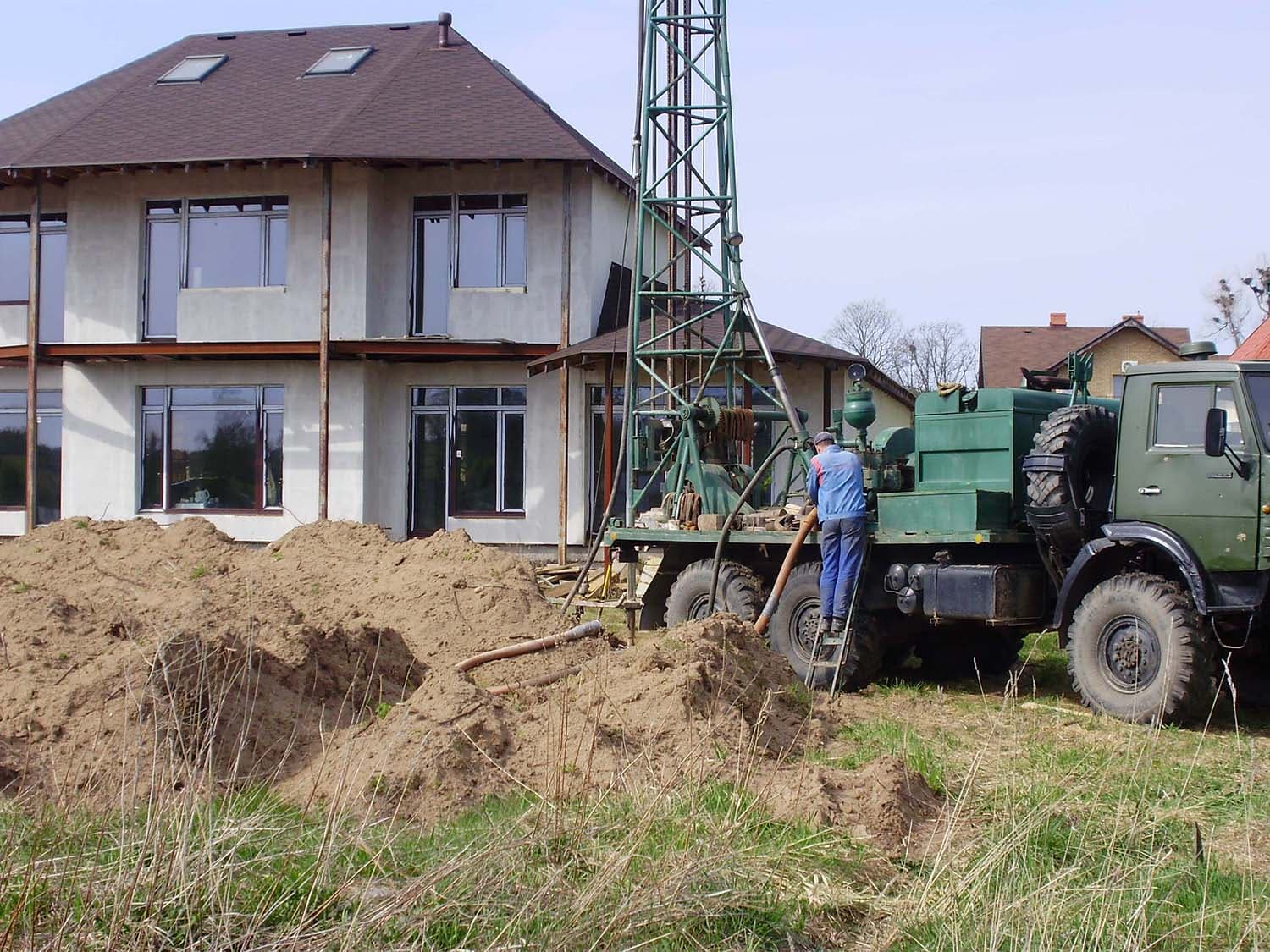
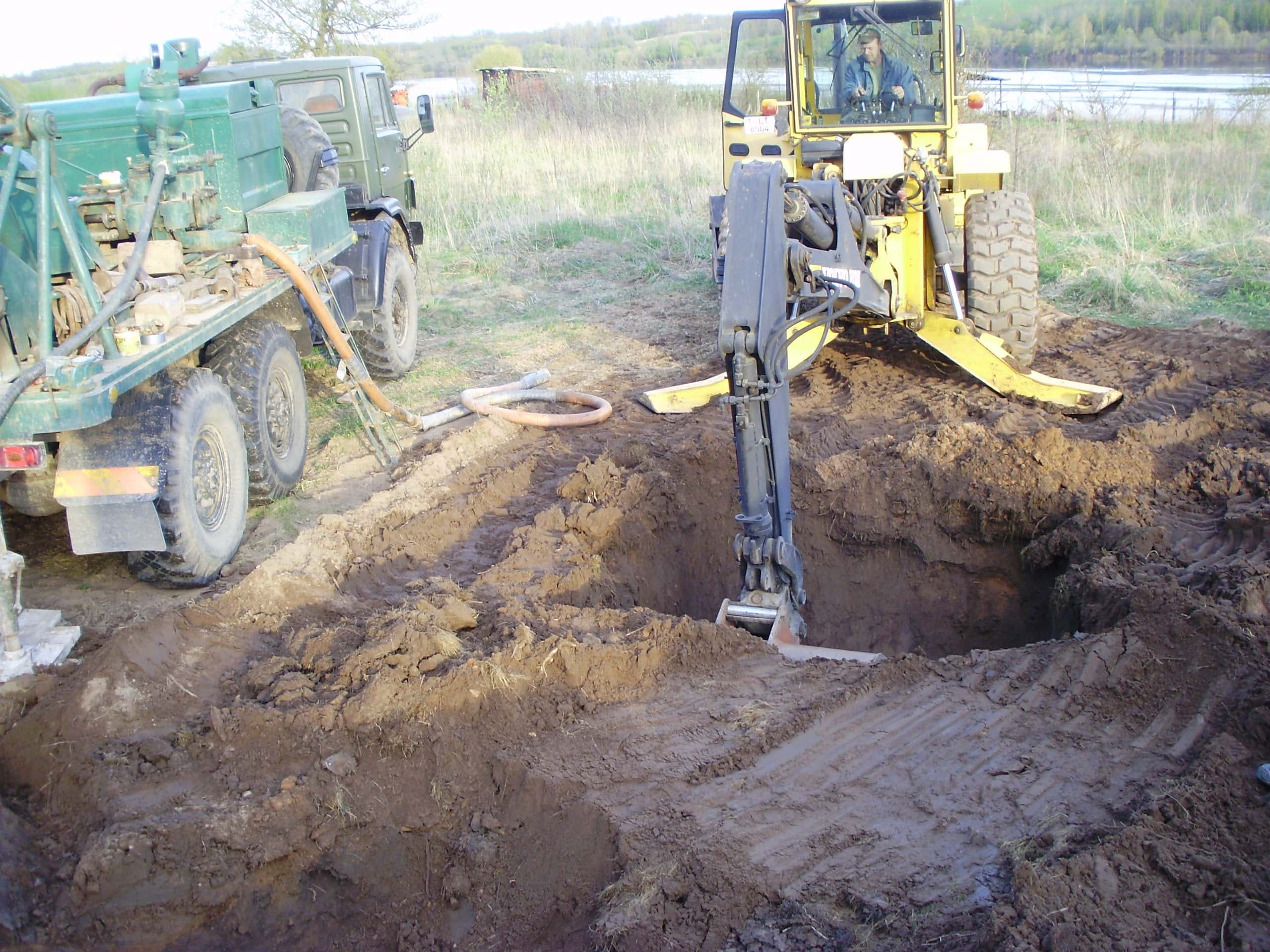
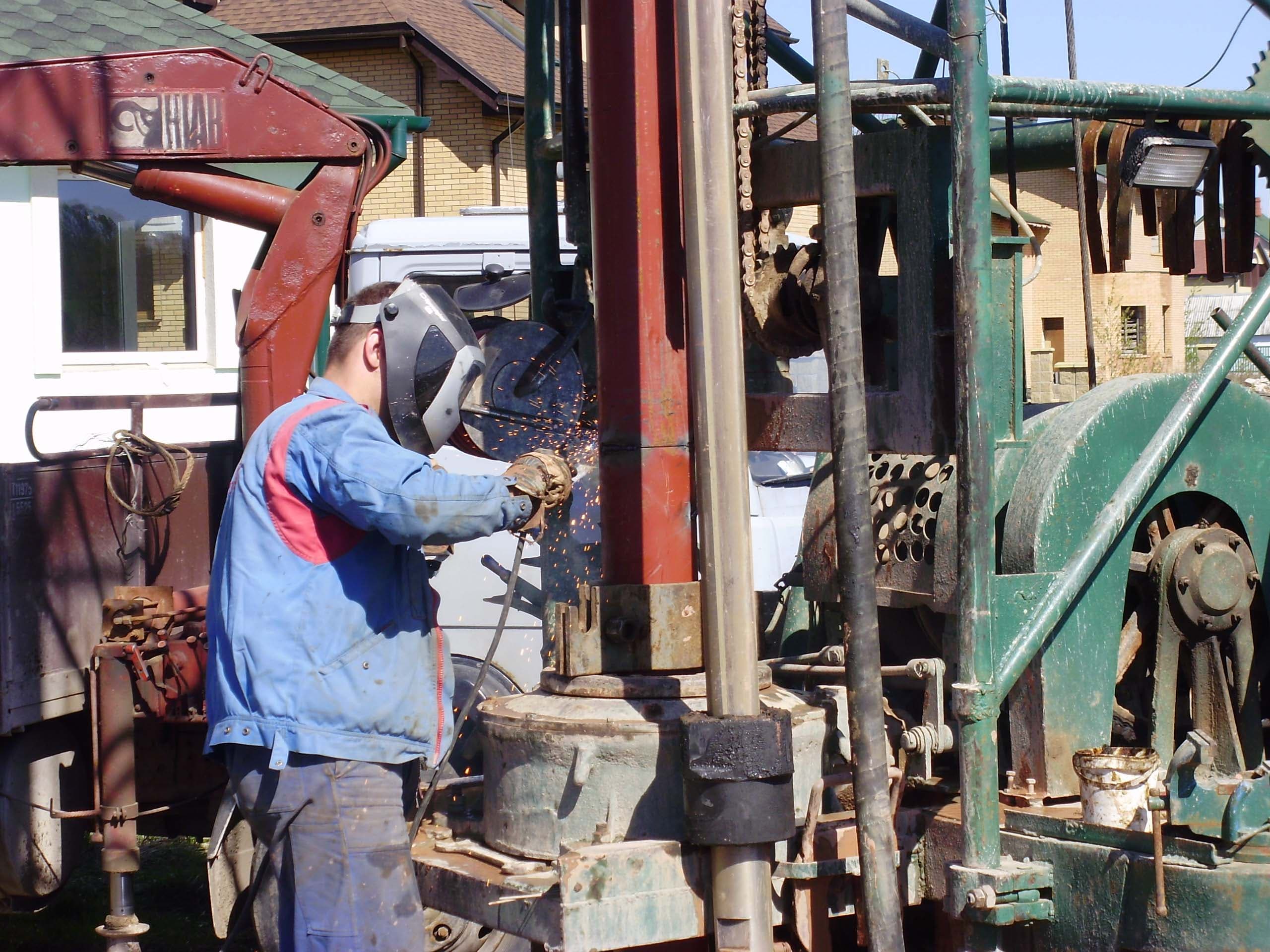
Photos from the current AKVA-M gallery. Project locations and years should be added before publication.
Share the site location, planned water demand and current situation. That helps make the first consultation more useful.